Between you and me, bingo is one of those games that seems simple on the surface but pulls in a wildly diverse crowd. You’ve got your classic 90-ball stalwarts who wouldn’t dream of changing a thing, the 75-ball fans who like a snappier round, and those dabbling in hybrids like Slingo that mix bingo with slot-machine thrills. So, why does bingo appeal to such different players? Well, grab a cuppa and settle in, because understanding this properly means cutting through the marketing fluff and looking at what really gets people clicking “buy card.”
You Know What’s Funny? It’s Not Just About the Numbers on the Card
Most newbies jump headfirst into bingo sites looking at the surface-level stuff—“Oh cool, 50 bingo rooms!”—only to find that half of those rooms look like a ghost town at 3pm on a Tuesday. This is a classic rookie mistake. Picking a site based purely on the number of bingo rooms without checking if there are actual scheduled games is like choosing a pub because it has loads of tables but none of them have a pint poured.
Players who really get what bingo is about look deeper. It’s about the types of games on offer, ease of access, the vibe of the community, and—crucially—how the tech holds up. This is where platforms like MrQ’s browser-based platform score big. No downloads, no buffering nightmares, just quick, smooth gameplay right in your browser, whether you’re on a desktop https://enyenimp3indir.net/mrq-casino-slot-selection-review/ or mobile. That kind of accessibility is a big deal for casual players who want a quick fix without the faff.
Understanding the Different Bingo Variants
Ever notice how you meet people who swear by 90-ball bingo while others won’t touch anything but 75-ball? Here’s the lowdown:
- 90-ball bingo is a classic in the UK, popular in sites like Mecca Bingo and Gala Bingo. The cards have 3 rows and 9 columns, with 15 numbers per card. It’s a slower-paced game usually with bigger jackpots and a more relaxed crowd. 75-ball bingo is huge in the US and catching on more here. Cards are 5x5 grids with a free space in the middle. The game is quicker, making it enticing for younger players or those who want a speedy game. 80-ball bingo is a middle ground—four rows by four columns—and tends to offer more frequent but smaller prizes, which works well for players who enjoy faster rounds but still want some tension on the card. 50-ball bingo, sometimes referred to as "speed bingo," is even shorter and aims at players who want instant results, perfect for quick breaks and casual sessions.
Ticket prices typically range from 1p to £5 per bingo card, meaning there’s room for every kind of budget, whether you’re testing the waters or going all in with multiple cards.
So, why do these variants matter for bingo player appeal?
It’s simple. The different formats mean different pacing and prize structures. Some players love the strategic element of spotting patterns in 90-ball or the social aspect of a slower game. Others prefer the rush and instant gratification of 75-ball or 50-ball. This variety keeps the audience demographic broad and diverse.
Bingo-Slot Hybrid Games: Slingo and Beyond
Ever wonder why games like Slingo have carved out such a niche? Slingo brilliantly mashes bingo with slots, creating a hybrid where the best of both worlds comes out to play. Players get the thrill of spinning reels alongside the casual strategy of bingo. This format especially appeals to younger or newbie players who might find traditional bingo too slow or too “old-fashioned.” Platforms like MrQ have embraced Slingo, making it easy to switch between pure bingo and hybrid fun.
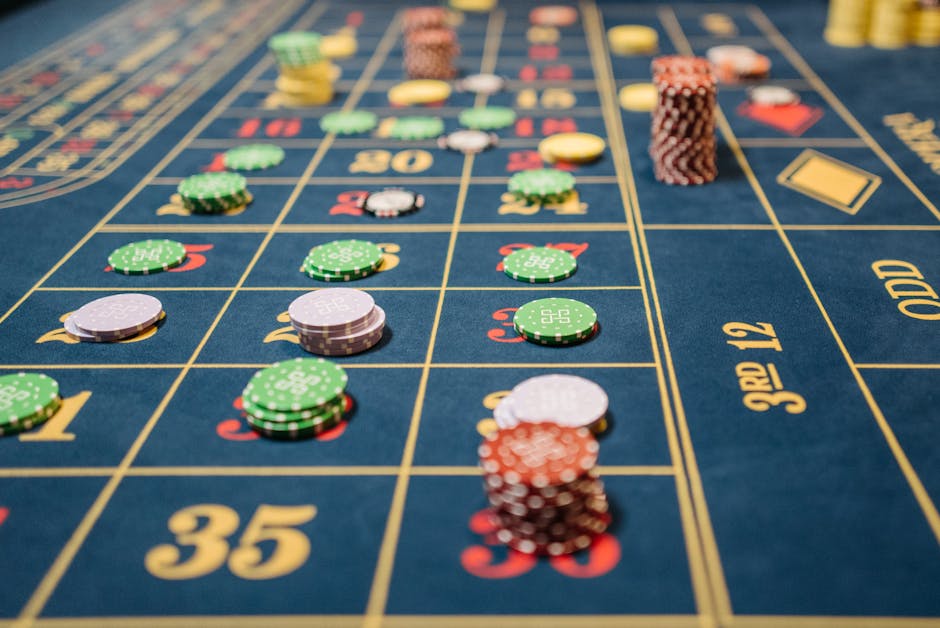
This crossover is clever because it opens bingo up to a wider demographic, including those who typically play casino slots or live dealer games but fancy something a little different. It’s a reminder that bingo is evolving, not stuck in some dusty old hall.
Casino Crossover Platforms: Mixing Bingo, Slots, and Live Dealers
Sites like Gala Bingo have gone beyond just bingo rooms to combine slots, live casino tables, and bingo all under one roof. This crossover caters to diverse player preferences in one spot, making it easy for players to switch between games depending on mood or strategy.
For example, a 45-year-old player might start with a few rounds of 90-ball bingo in the evening, then switch to a live blackjack dealer or a casual slot for a change of pace. This multi-function approach increases player retention—people don’t just bounce after a few rounds because they have other gambling fix options on the same platform.
Mobile Compatibility & Browser-Based Play: Why Convenience Rocks
Here’s the thing: nobody wants to wait around for a bingo app to load, waste space on their phone, or sit tethered to a laptop. The modern bingo player expects smooth, instant play on any device.
That’s why platforms like the MrQ browser-based platform are game changers. No software installs, no buffering nightmares, just pure gameplay instantly, whether you’re on Android, iPhone, or desktop. Mecca Bingo and Gala Bingo have pretty decent apps and mobile sites too, but the trend is clear—convenience is king.
Mobile compatibility broadens the bingo audience demographics, too. Younger players, working professionals, and people on the go can all join in easily. The accessibility factor is arguably one of the biggest reasons bingo continues to pull in new players.
Breaking Down Bingo Audience Demographics
Who plays bingo, really? Ever notice how it’s not a one-type-fits-all crowd?
- Traditionally, bingo’s audience skewed older, with many players aged 50+. This crowd prefers the classic 90-ball style and values the social, relaxed atmosphere. Younger players, often 25-40, tend to gravitate towards faster formats like 75-ball and hybrids like Slingo that mix bingo with slots. The hardcore bingo fans, regardless of age, appreciate platforms that offer a mix—both for game variety and for different stakes. Casual players enjoy the low-entry ticket prices and quick games, often slipping in a few rounds during downtime on mobile.
When you combine different variants, hybrid games, mobile access, and multi-product casino crossover platforms, you get a recipe that appeals across the spectrum.
Common Mistakes to Avoid When Choosing a Bingo Site
Before I wrap this up, let me shout this from the rooftops: don’t pick your bingo site based solely on the number of bingo rooms advertised. Some sites boast 50+ rooms but half might never host a game during daylight hours. That’s a buffering nightmare, and frankly, a waste of time.
Check the site’s schedule and active player base. See if ticket prices suit your budget. Look for mobile-friendly or browser-based play if you want instant access. And whenever there’s a bonus, always—always—check the wagering requirements before you get excited.
Sites like MrQ, Mecca Bingo, and Gala Bingo generally do a solid job balancing player choice, platform stability, and game variety, but it’s worth your time to dig a little before committing.
Final Thoughts: Why Play Bingo?
Bingo appeals to different players because it offers something for everyone—whether it’s the social side, the game variants, or the thrill of a hybrid slot-bingo mashup like Slingo. Modern bingo sites understand this and adapt their offerings accordingly, ensuring every player finds their own https://casinocrowd.com/playn-go-slots-bingo-sites-the-no-nonsense-guide/ spot to enjoy the game.
From classic 90-ball games at Mecca and Gala to the instant play, slick interfaces on MrQ, there’s a bingo style and platform to fit your mood and schedule. Just remember—don’t fall for empty rooms or slow-loading platforms, keep an eye on costs, and pick your games for the fun and challenge, not just because somebody promised “50 rooms.”
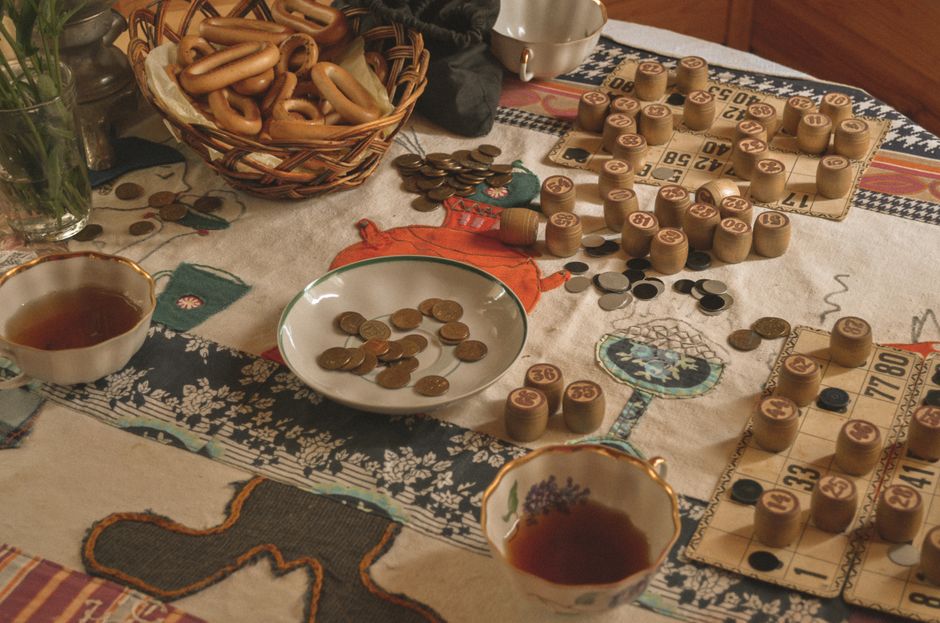
So next time you’re wondering “why play bingo,” just think about all the ways the game meets players where they are—at home, on the move, or just killing time with a quick round of Slingo. That’s the magic right there.