If you have spent any time browsing the latest digital gaming trends—perhaps while catching up on local news via outlets like Eye On Annapolis—you have likely seen the term “deposit by phone.” As someone who has spent nine years in the trenches of fintech onboarding and UX (User Experience) design, I can tell you that while the name is simple, the mechanics are a masterclass in backend complexity. When a casino offers a mobile-first payment option, they are trying to strip away the friction of traditional banking to keep you in the game.
But how does it actually work? And more importantly, is it as seamless as the marketing claims suggest? Let’s pull back the curtain on carrier billing and the infrastructure that moves your money.
What is Deposit by Phone?
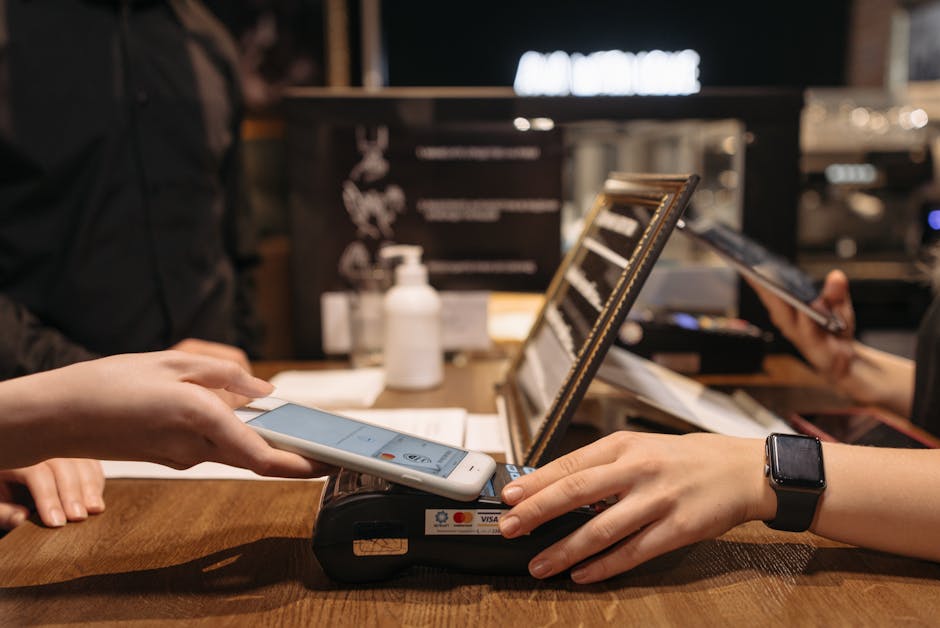
At https://enyenimp3indir.net/how-do-casino-platforms-handle-identity-verification-for-payments/ its core, “deposit by phone” (often called carrier billing) allows you to fund your casino account by charging the amount directly to your monthly mobile phone bill or deducting it from your prepaid balance. You aren’t entering a 16-digit card number or authenticating via a third-party app like PayPal. You are simply leveraging the existing billing relationship you have with your telecom provider.
From a UX perspective, this is a dream. It removes the friction—those extra steps in a checkout flow—that usually causes users to abandon their carts. Instead of digging for a wallet, you just enter your phone number, verify a one-time passcode (OTP), and move on.
The Technical Plumbing: APIs and Gateways
When you initiate a deposit by phone, you aren’t just sending a text message. A sophisticated series of digital handshakes happens in milliseconds. This is where APIs (Application Programming Interfaces) and payment gateways do the heavy lifting.
1. The Payment Gateway
Think of a payment gateway as a secure bridge. It acts as an intermediary that encrypts your sensitive data and sends it from the casino’s platform to the telecom carrier’s billing system. It ensures that the transaction is secure and that the data remains private.
2. The API Connection
The API (Application Programming Interface) is the software messenger. It allows the casino’s system to “talk” to your mobile carrier’s system. When you click “deposit,” the API sends an authorization request: “Does this user have enough credit for a $X transaction?” The carrier’s system sends an API response back: “Approved” or “Denied.”
When marketers promise “instant” deposits, they are referring to these API calls happening in real-time. However, if the network is latent or the API handshake fails, the “instant” experience breaks. This is a common point of frustration for users who expect binary (either it works or it doesn't) results.
Why UX Writers Care About Your Phone Bill
In the fintech world, we look at every click as a potential point of failure. Mobile-first payments are prioritized by platforms like MrQ because they realize that mobile users have a low tolerance for input fatigue. If I have to navigate three screens to verify a deposit, I am more likely to leave the site.
However, the industry often glosses over the friction that *does* exist. Even with carrier billing, you still have to deal with:
- Carrier Restrictions: Not every telecom provider supports every casino. You might find that your carrier blocks gambling-related transactions by default. Verification Lag: Sometimes, the carrier needs a secondary handshake to confirm your identity, which adds an extra step that isn't always disclosed upfront. Notification Overload: You will receive a flurry of SMS alerts, which can feel intrusive if the design isn't handled carefully.
Safety and Regulation: The FTC’s Role
When we discuss money and phone bills, we have to talk about the Federal Trade Commission (FTC). The FTC (Federal Trade Commission) is the agency responsible for protecting consumers against unfair or deceptive business practices.
The FTC (Federal Trade Commission) takes a dim view of “cramming,” which is the practice of placing unauthorized charges on a consumer’s phone bill. Because of this, legitimate casino deposit-by-phone services must have rigorous, multi-factor authentication (MFA) processes. If you find a casino that lets you charge your phone bill without any verification, close the browser. That is a massive red flag.
Pros and Cons of Carrier Billing
To help you decide if this method fits your needs, here is a quick breakdown of how these mobile-first payments stack up.
Feature Impact on User Experience Speed High; eliminates the need for manual banking data entry. Convenience High; no credit card or bank account details shared with the casino. Friction Low during the transaction, but high if the carrier blocks the payment. Security High; uses phone-based authentication (SIM-bound).A Note on Fees and Limits
You may be wondering about the cost to use these services. It is a common mistake to assume these methods are universally free. In reality, costs are highly variable. Because no standard pricing list exists across the industry, you must check your specific mobile carrier’s terms of service and the casino’s cashier page.
Some carriers may charge a processing fee, while others might pass the cost onto the casino (which the casino may or may not choose to absorb). Never assume a deposit is fee-free. Always look for the "Terms and Conditions" link at the bottom of the deposit screen. If it isn't clearly visible, consider that a major piece of missing UX information.
The Future of Mobile-First Casino Deposits
We are moving toward a world where the phone *is* the wallet. As APIs (Application Programming Interfaces) become more robust, we will see fewer failed transactions and more transparent error messaging. Currently, most “deposit by phone” errors are vague (e.g., “Transaction Failed”). A better UX would explain *why*—for instance, “Your carrier has a monthly limit” or “Carrier billing is not available in your region.”

For the player, the shift to mobile-first payments is about control. By keeping your banking credentials away from the casino and tied to your phone bill, you create a layer of abstraction that many find safer. Just remember: whenever technology claims to be “instant,” assume there is a complex API handshake happening behind the curtain. When that handshake is well-designed, you get a seamless experience. When it isn't, you get the kind of friction that drives us UX writers crazy.
Next time you see a "Deposit by Phone" button, you’ll know that it isn't magic. It is just clean, well-orchestrated code designed to get you playing with as few interruptions https://xn--toponlinecsino-uub.com/multi-factor-authentication-for-casino-accounts-is-it-worth-the-friction/ as possible. Stay informed, read the fine print regarding potential fees, and always ensure you are playing on a regulated, reputable platform.