Bingo, often stereotyped as a quaint pastime mainly pursued by older women in converted church or cinema halls, actually holds a rich and complex history in the United Kingdom’s gambling and leisure culture. Behind the social bingo halls and the increasingly popular online bingo rooms and slots, there lies an intricate tapestry of legal battles, shifting public attitudes, and parliamentary debates. At the heart of this story are key legislative milestones like the Betting and Gaming Act 1960, which radically casino layout slots placement reshaped gambling in Britain.
In this post, we dive deep into the National Archives gambling debates and 1960 legislation records to understand how UK bingo law changes have unfolded over time. We’ll explore the unintended outcomes of the Betting and Gaming Act 1960, how bingo halls transitioned from cinemas to social hubs for older women, and examine the broader contrast between the casino stereotype and everyday gambling realities.
Unpacking the National Archives’ Records on Bingo Law
The UK National Archives house a wealth of documents relating to gambling legislation, particularly parliamentary debates and government reports from the mid-20th century onwards. These 1960 legislation records provide a unique window into the concerns lawmakers had about gambling proliferation, public morality, and economic regulation.
In the decades before the 1960s, much gambling took place informally or was outright illegal. The government sought to regulate what had become a booming industry with various underground and grey-market activities. The introduction of the Betting and Gaming Act 1960 marked a watershed moment:
- It legalized commercial bingo, betting shops, and gaming clubs for the first time under specific licensing rules. It aimed to channel gambling away from illegal and unregulated venues into controlled, taxable environments. It intended to mitigate potential social harms by setting limits on stakes and prizes.
Parliamentary History and Debates: Concerns and Compromises
The official parliamentary records—from Hansard transcripts to committee reports—reveal that debates around the Act were vigorous and multifaceted. Key issues raised included:
Fear that legalization would increase gambling addiction and damage working-class communities. Arguments emphasizing the social benefits of controlled bingo halls as community venues, especially for women. Concerns over potential consequences like the proliferation of slot machines and electronic games within bingo halls.Interestingly, legislators anticipated that the controlled legalization might place pressure on existing entertainment forms, such as cinemas and theatres. The records show an understanding that some older cinemas might need repurposing to remain viable.
The Betting and Gaming Act 1960 – Law and Unintended Outcomes
While the Betting and Gaming Act 1960 was designed to bring order and regulation to gambling, the National Archives gambling debates also reveal numerous unintended outcomes uk bingo history timeline that emerged over subsequent years.
Cinemas Converted into Bingo Halls
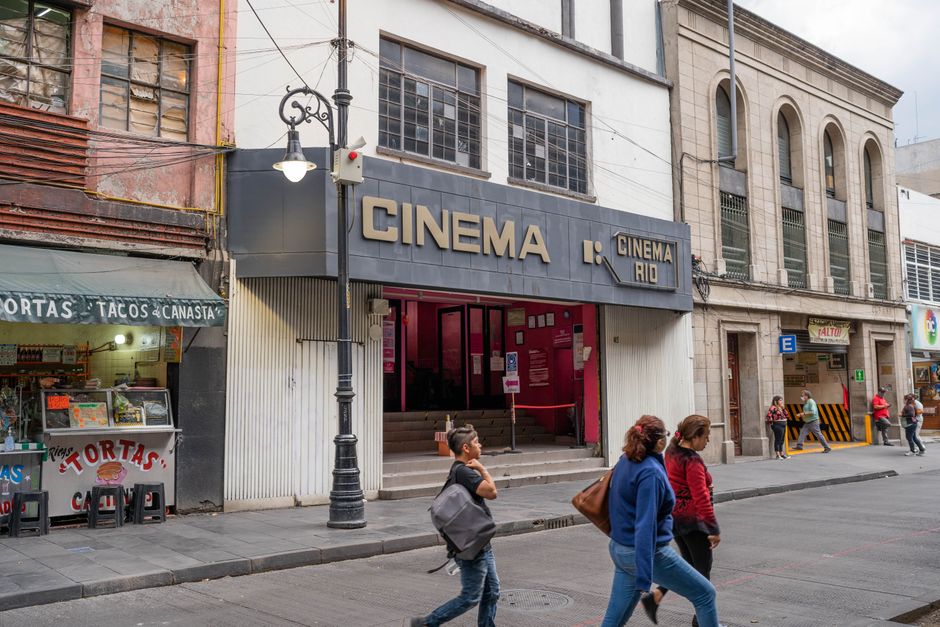
One of the most notable social phenomena arising after the Act’s passage was the widespread conversion of underperforming cinemas into bingo halls.
At the time, traditional cinemas were struggling due to competition from television and shifting leisure patterns. Bingo presented an opportunity for owners to maintain revenue and keep venues open by tapping into gambling legalization.
- The large auditorium spaces of cinemas were well-suited for bingo games accommodating hundreds of players. Newly converted bingo halls became community landmarks and offered affordable, accessible entertainment.
This architectural shift was documented extensively in the National Archives’ collections of planning records and licensing documents, showcasing how gambling law changes had ripple effects on the leisure landscape.
Bingo Halls as Social Spaces for Older Women
Another important theme illuminated in the archival materials is the role of bingo halls as vital social spaces, particularly for older women.
Unlike the casino stereotype—images of flashy gaming floors, high stakes, and younger demographics—bingo halls cultivated a very different atmosphere:
- They functioned as community hubs where older women could socialize, find companionship, and enjoy safe recreation. Archive oral histories include interviews with frequent bingo players who emphasize the emotional and social importance of these spaces beyond just gambling. Such halls fostered a sense of belonging and routine that was absent in many other entertainment settings.
This cultural dimension challenges mainstream assumptions about gambling and shines a light on bingo's unique place in British social life.

Casino Stereotype vs. Everyday Gambling Reality
The National Archives contain considerable evidence on how public and official perceptions of gambling have evolved—and how they often clash with lived experiences.
For many, the word “gambling” conjures images of neon-lit casinos, roulette wheels, and high rollers. This stereotype feeds into moral panic discourses and regulatory approaches that can overlook the diversity of gambling forms, including more benign ones like bingo and online bingo rooms.
Online Bingo Rooms and Slots: Modern Developments
Today’s technology-driven landscape has taken bingo from physical halls into the digital realm, with online bingo rooms and slots becoming some of the most popular forms of internet gambling in the UK.
The National Archives do not yet hold materials documenting these very recent trends, but contemporary government reports show regulatory mechanisms evolving to encompass:
- Consumer protections within online platforms. Efforts to combat problem gambling on digital sites. Balancing economic benefits of online gambling with social responsibility.
Understanding how past legal frameworks like the 1960 Act set precedents for regulating gambling continues to be important in shaping policies for the digital age.
Summary Table: Key Events and Themes from the National Archives
Year/Period Event/Theme Details Pre-1960 Unregulated Gambling Landscape Illegal bookmakers and limited legal options; underground bingo sessions common. 1960 Betting and Gaming Act Legalization and regulation of bingo halls, betting shops, gaming clubs. 1960s-1970s Cinemas to Bingo Halls Many cinemas converted into bingo halls to survive economic hardship. 1970s-1980s Bingo as Social Space Older women in particular form communities in bingo halls. 2000s-present Online Gambling Expansion Rise of online bingo rooms and slots presents new regulatory challenges.Conclusion
Exploring the parliamentary history and 1960 legislation records held by the National Archives reveals much more than dry legal details. They uncover a story about how gambling, particularly bingo, transformed British social spaces and reshaped leisure habits.
From the unexpected repurposing of cinemas to the social importance of bingo halls for older women, the archival evidence broadens our understanding beyond casino stereotypes to the everyday realities of gambling culture. It also lays a critical foundation for grappling with the challenges and opportunities presented by modern online bingo rooms and slots.
For anyone interested in the cultural, social, and legal dimensions of UK gambling history, the National Archives offer an invaluable resource that documents decades of debate, regulation, and community adaptation.