In the world of professional sports betting, the constant fluctuation of the numbers you see on your screen is rarely accidental. As someone who has spent nine years tracking line movement, I have seen plenty of punters blame "rigged" systems for a sudden shift in odds. The truth is far more clinical. The market is a living organism reacting to two primary stimuli: information (injuries) and sentiment (public money).
If you want to understand how to find value—a term used to describe a bet that has a higher mathematical probability of winning than the implied probability suggested by the bookmaker's odds—you need to distinguish between the two.
The Anatomy of Public Money Line Movement
Public money line movement refers to the shift in odds caused by the weight of bets from recreational punters rather than a change in the objective reality of the game. When a high-profile team like England or Brazil plays, the casual betting public tends to back the favorite blindly.
Bookmakers don't necessarily move the line because they think the favorite has suddenly become "better." They move the line to balance their liability. If 90% of the money is on the favorite, the sportsbook is exposed. By shortening the odds on the favorite (making the payout smaller), they encourage "sharp" money to come in on the underdog, effectively hedging their own risk.
This is where volatility—the degree of variation in trading prices over time—matters. If you ignore volatility, you’ll find yourself betting at stale numbers, effectively paying a premium for a ticket that isn't worth the price.
Injury Impact on Odds: The Sharp Factor
Unlike public money, which is driven by sentiment, the injury impact on odds is a sharp move. A "sharp" is a professional bettor whose wagers are so respected that bookmakers use them to refine their lines. When news breaks that a star striker has failed a fitness test, the sportsbook’s algorithm—or their risk management team—will pull the line immediately.
This is a tactical adjustment based on data. The market reacts to injuries far more aggressively than public money because injuries fundamentally change the probability of the outcome. A star player missing shifts the expected goals (xG) metrics, which are the bedrock of modern football pricing.
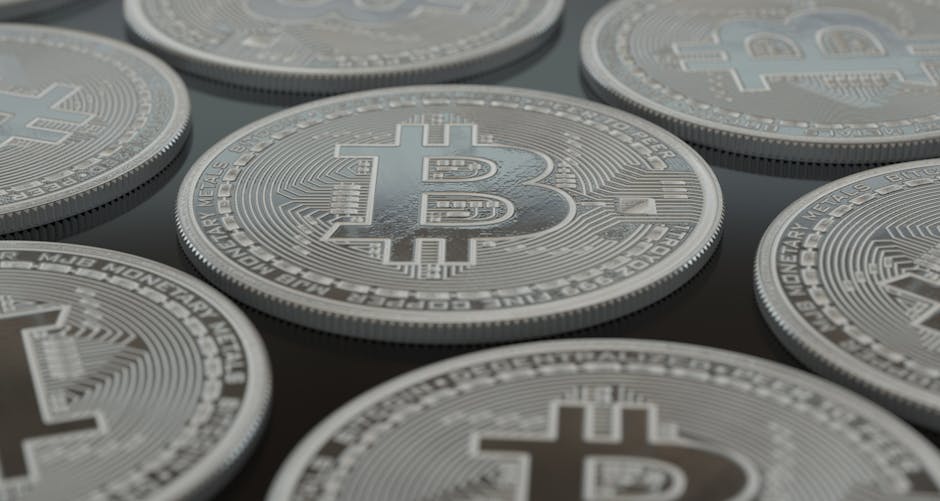
Bitcoin vs. Traditional Sportsbooks
Where you bet changes how you experience these movements. Traditional UK-facing bookmakers are heavily regulated, and their lines are often "tight," meaning they don't move drastically unless there is a significant catalyst.
Bitcoin sportsbooks, https://reliabless.com/is-it-normal-for-odds-to-move-because-of-betting-activity-itself/ however, often operate with more aggressive line movement. Because they cater to a global audience and move in crypto-assets, they are less concerned with local regulatory friction and more concerned with maintaining a balanced book in real-time.
Feature Traditional Sportsbooks Bitcoin Sportsbooks Line Reactivity Controlled, Moderate High, Aggressive Payment Processing Standard (1-3 days) Instant/Near-Instant Settlement Times Often delayed for verification Immediate on chain confirmationThe Missing Details: Fees and Limits
Marketing copy often ignores the "fine print" of these platforms. If you choose a crypto-sportsbook, you need to check:
- Transaction Fees: Are you paying gas fees on every deposit? Some platforms hide this in the exchange rate. Withdrawal Limits: Many platforms advertise "no limits" but impose daily caps that make withdrawing large wins a multi-week headache. Settlement Times: Don't buy the "instant" claim blindly. Even with crypto, some sites perform manual checks on large settlements.
Group Stage Betting: Where Value Hides
During the World Cup or the group stages of the Champions League, World Cup odds drivers are intense. The market is flooded with recreational money, which creates massive opportunities for those who track line movement properly.
In group stages, look for the "overreaction." If a major team draws their first game, the public money often pivots hard toward the "under" or the underdog in the next match. This is usually a public money move, not an injury-based one. This creates a value spot where you can back the favorite at inflated, attractive odds.
Using Comparison Tools
Don't rely on one feed. Using resources like Bookmakers Review (bookmakersreview.com) allows you to compare odds across multiple sportsbooks simultaneously. If you see a line that is drastically different across the board, it is usually a sign that one bookmaker is lagging in their data updates—this is exactly where you want to be.
Final Thoughts: Don't Get Fooled by the "Drama"
When you see a line shift from 1.90 to 1.75 in ten minutes, ignore the clickbait articles calling it a "massive market collapse." It isn't a collapse. It is either a sharp reaction to a verified injury or a sportsbook trying to balance their books against a flood of public money.
https://casinocrowd.com/is-bookmakers-review-good-for-comparing-bitcoin-sportsbooks/Stay objective. Track the movement, verify the news, and always, always check your platform's withdrawal terms before you deposit your bankroll. Anonymity is not a substitute for due diligence, and volatility is a tool for the informed, not a danger to be avoided.
Use comparison sites to ensure you aren't paying a "retail" price when the wholesale price is available elsewhere. In this game, the person who tracks the movement, not the person who shouts the loudest, takes the profit.