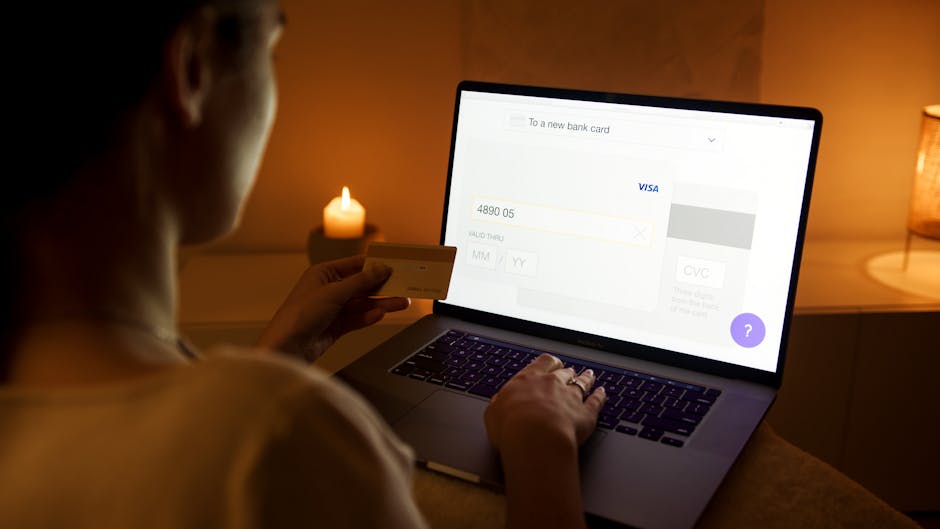
I’ve spent the better part of eight years sitting in on onboarding calls, troubleshooting failed payments, and staring at more sportsbook interfaces than any human should. I don’t own a “betting desk” setup. I test every single app on my phone, usually while walking to grab coffee. If an app takes me more than four taps to get from the home screen to a placed bet, it’s a failure. If the deposit process requires me to re-enter a 16-digit credit card number on a tiny keypad while I’m trying to catch a line move, it’s a disaster.
When users ask me, "Are digital wallets safer for betting deposits?" they aren't usually asking about banking-level encryption protocols. They are asking: "Is this going to keep my money secure while making sure I don’t miss the kickoff?"
The answer is yes—but for reasons that go far beyond just the security of the transaction. Let’s break down why digital wallets are the gold standard for mobile-first sports betting.
The Mobile-First Reality: Why Every Tap Counts
In the modern betting landscape, speed Click here for more info is not just a feature; it is an accessibility requirement. When you are looking at live odds that shift every 30 seconds, you don’t have time to fumble with a physical wallet or memorize credit card numbers. You are holding a smartphone—a piece of hardware designed for biometric authentication and quick, encrypted interactions.
Digital wallets like Apple Pay, Google Pay, PayPal, and Skrill integrate directly with the secure elements of your smartphone. When I test a betting app, I count the taps. A traditional credit card deposit often requires:
Navigate to deposit menu. Input card number (16 digits). Input CVV (3 digits). Input expiry date. Navigate to bank app for 2FA confirmation. Return to sportsbook app.That is, at minimum, six high-friction touchpoints. A digital wallet deposit on a well-optimized mobile app? It’s usually two: select the wallet, and use FaceID. By removing the need to type sensitive data into a browser or app, you drastically reduce the chance of manual errors and the risk of keyloggers or screen-peeking.
Digital Wallet Safety: Understanding Encrypted Transactions
When we talk about digital wallet safety, we are talking about tokenization. This is the bedrock of secure betting payments. When you use Apple Pay or a similar service to fund your betting account, the merchant (the sportsbook) never actually sees your credit card number. Instead, they receive a unique, one-time token.
If that sportsbook app happens to have poor security—or if you’re using a public Wi-Fi connection that isn't as secure as you think—your actual financial data is never exposed. The token is useless to a hacker. This is why I always prioritize wallets over direct card inputs. It creates a layer of insulation between your personal wealth and the platform you are interacting with.
The Comparison Table: Deposit Methods at a Glance
In my eight years of experience, I’ve categorized the most common deposit methods based on user frustration and security levels. Here is how they stack up:
Deposit Method Security Level Ease of Use (Taps) Withdrawal Speed Direct Card Input Medium 6-8 Taps Slow (3-5 days) Bank Transfer (ACH) High 4-5 Taps Slow Digital Wallets Very High 1-2 Taps Fast (Often Instant) Wire Transfer High Too Many VariableAccessibility as a Competitive Advantage
One of my biggest pet peeves in this industry https://reliabless.com/what-are-the-most-common-ux-dealbreakers-in-betting-apps/ is hidden verification requirements. I’ve seen countless apps that hide their "Know Your Customer" (KYC) documents behind layers of confusing navigation. If a developer makes you jump through hoops to prove your identity *after* you’ve already deposited, they are failing the user.
Digital wallets act as a pre-verification layer. Because these services have already performed robust identity checks to verify your account, the sportsbook often views a wallet deposit as a "trusted transaction." This leads to smoother onboarding and fewer of those "stuck in verification" calls that I used to handle all day. By choosing a wallet, you aren't just securing your cash; you're signaling to the app that you’re a verified user, which usually leads to a smoother app experience.
Real-Time Interaction and In-Play Betting
Let's talk about the adrenaline of in-play betting. If you are watching a game and the odds change because of a sudden momentum shift, you need to act fast. Nothing ruins a live-betting experience faster than a slow-loading page that crashes while you are trying to confirm a deposit.
In-play betting engagement relies on the seamless transition from "wallet" to "wager." Digital wallets allow you to maintain that flow. If your deposit method is clunky, you lose the opportunity. You miss the spread, you miss the prop, and you lose the fun. The best mobile apps are built for speed, and they build their payment architecture around the instant gratification that digital wallets provide.
The Withdrawal Rule: Why You Must Check This First
Here is my golden rule that I preach to every casual bettor: **Check the withdrawal steps before you look at the promos.**
Promos are the "pretty" part of the app. Withdrawals are the reality. I have seen too many apps that make depositing via a credit card feel like a breeze, only to lock your withdrawal process behind an archaic, slow-moving manual review process that takes days—with zero updates provided.
Digital wallets offer a massive advantage here as well. Most sportsbooks that allow deposits via digital wallet will also allow withdrawals to the same wallet. Because the connection is already established, these withdrawals are often processed much faster than traditional bank wires. When you see a "pending" status on a withdrawal for 72 hours with no communication, that is a failure of the platform. Digital wallets minimize the distance between "win" and "withdrawal."
My Checklist for Secure Betting
If you are setting up your mobile betting experience, don't just download the first app you see. Use these criteria to ensure you are protected:
- Check for Biometrics: Does the app allow you to lock the payment window with FaceID or fingerprint? If not, delete it. Verify Withdrawal Methods: If they make you jump through hoops to see the withdrawal section, they are hiding something. Walk away. Count the Taps: Test the deposit flow with a small amount. If it’s over 4 taps, the UX team didn't care about your time. Encryption Awareness: Only use apps that provide encrypted transactions. Look for HTTPS in the URL if you use a mobile browser, or look for security certificates in the App Store/Play Store descriptions. Updates: If a page takes more than two seconds to load, it’s not just annoying; it’s poorly optimized. Poorly optimized apps often have poor security patches.
Conclusion: The Verdict
Are digital wallets safer for betting deposits? Unequivocally, yes. They offer the highest level of encrypted transactions, they keep your sensitive financial information behind the vault of your smartphone’s security system, and they provide the speed necessary for modern, in-play betting.

I’ve sat through enough support tickets to know that the biggest security risks in betting aren't just "hackers"—they are user errors, poor app navigation, and the frustration of dealing with slow, outdated payment gateways. By using a digital wallet, you bypass the friction, protect your card details, and actually get to enjoy the sport you’re betting on. In this mobile-first era, that is the only way to play.
If the app makes it hard to pay, they don't deserve your play. Keep it fast, keep it encrypted, and for the love of the game, check the withdrawal process before you make that first deposit.